
Early Warning Signs and Prevention
High blood pressure, also known as hypertension, is one of the most common yet serious health conditions affecting adults in Canada. It often develops silently over time, with no obvious symptoms, but can significantly increase the risk of heart disease, stroke, and kidney problems if left untreated.
At Gracewell Medical Center, we emphasize early detection and lifestyle management to help patients maintain healthy blood pressure levels.
What Is High Blood Pressure?
Blood pressure is the force of blood pushing against the walls of your arteries. When this pressure remains consistently too high, it forces your heart to work harder than normal and can damage blood vessels over time.
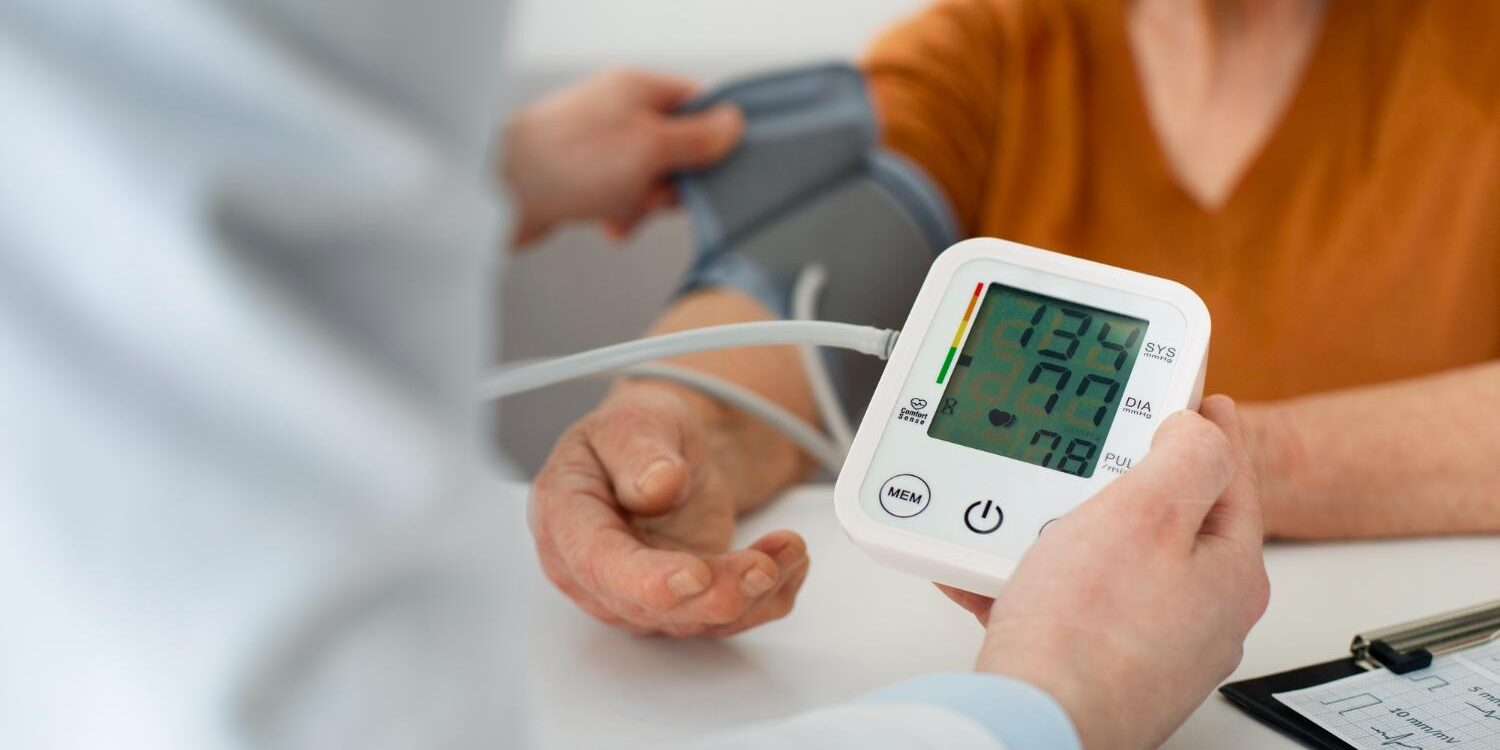
A normal blood pressure reading is generally around 120/80 mmHg. Readings consistently above this range may indicate hypertension.
Why High Blood Pressure Is Dangerous
Hypertension is often called the “silent killer” because it typically has no noticeable symptoms until serious damage has occurred. If untreated, it can lead to:
- Heart attack
- Stroke
- Kidney disease
- Vision loss
- Heart failure
Early detection is critical to preventing long-term complications.
Possible Warning Signs
Although most people experience no symptoms, some may notice:
- Frequent headaches
- Dizziness
- Shortness of breath
- Chest discomfort
- Nosebleeds (in severe cases)
However, these symptoms usually appear only when blood pressure reaches dangerously high levels.
Risk Factors
Several factors can increase your risk of developing hypertension:
- Family history of high blood pressure
- Poor diet high in salt and processed foods
- Lack of physical activity
- Excess weight or obesity
- Smoking or alcohol use
- Chronic stress
- Aging
Understanding your risk can help you take preventive steps early.
How to Prevent High Blood Pressure
Lifestyle changes play a major role in prevention and management:
- Maintain a balanced diet rich in fruits and vegetables
- Reduce salt intake
- Exercise regularly (at least 150 minutes per week)
- Maintain a healthy weight
- Limit alcohol consumption
- Avoid smoking
- Manage stress through relaxation techniques
Even small improvements can make a meaningful difference in blood pressure levels.
Monitoring and Treatment
Regular blood pressure checks are essential, especially for adults over 40 or those with risk factors. Your family doctor may recommend:
- Lifestyle modifications
- Regular monitoring
- Medication if necessary
- Ongoing follow-up care
Treatment plans are individualized based on your overall health and risk level.
When to See a Doctor
You should see a healthcare provider if:
- You have consistently high readings at home or at a pharmacy
- You experience symptoms like chest pain or dizziness
- You have risk factors and haven’t been screened recently
Early intervention can significantly reduce your risk of complications.
Take Control of Your Heart Health
High blood pressure is manageable with the right care and lifestyle changes. Regular checkups and early awareness are key to protecting your long-term health.
If you are unsure about your blood pressure, a simple screening can provide clarity and peace of mind.